Build a casting program.
Review cast geometry, tooling investment and secondary machining together. Define sample approval and repeat requirements before production.
Housings · covers · structural bodies
WEKO / FROM CAST SHAPE TO FINISHED COMPONENT
Shape the body. Control the interfaces.
A coordinated manufacturing route for custom housings, covers and structural components.
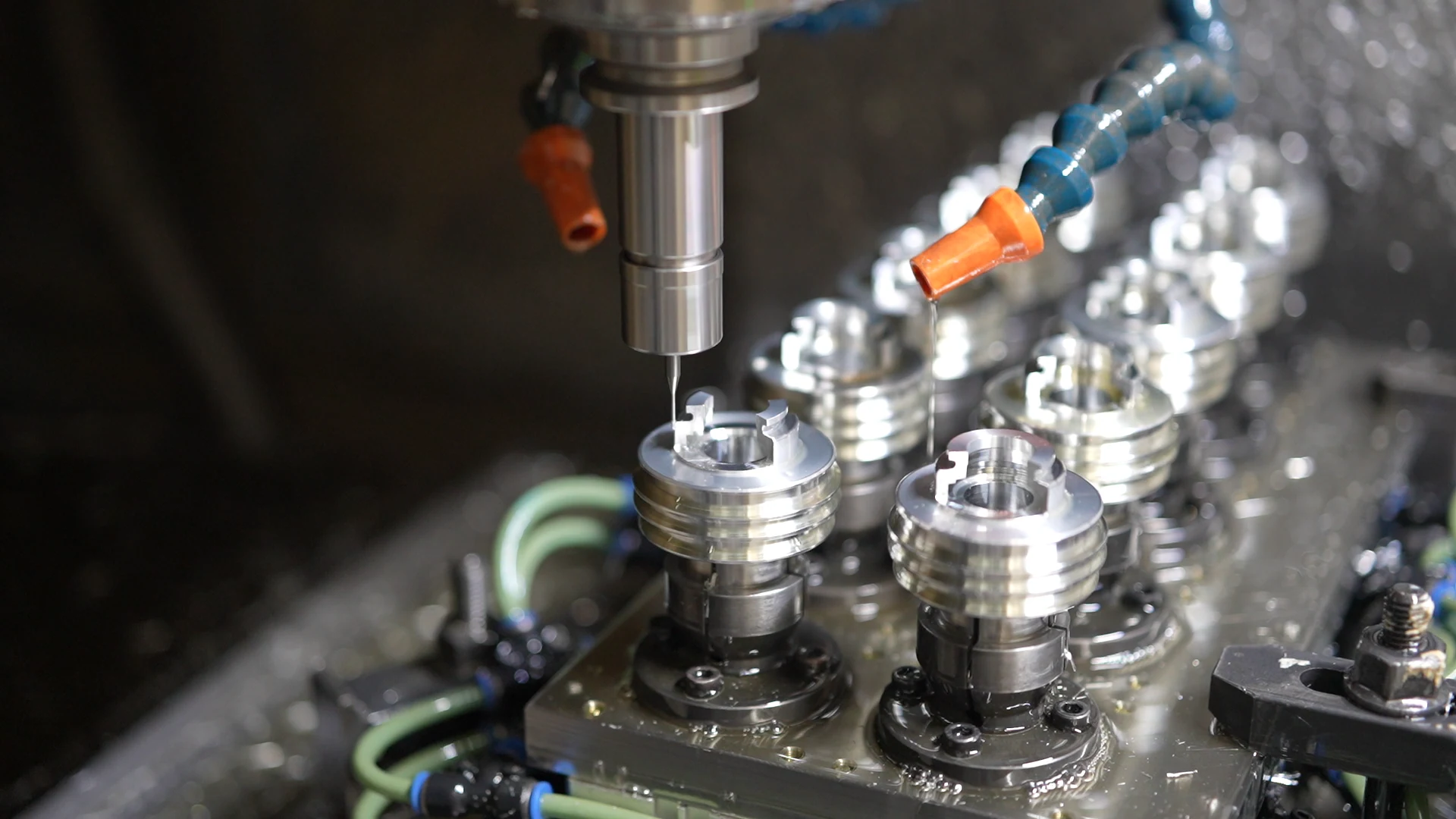
The shape is the start.
The interfaces make it work.
THE RIGHT PROCESS / THE RIGHT STAGE
Die casting needs its own tooling and production plan. We consider the first order, expected repeat volume and the interfaces your component must hold.
Compare manufacturing routesReview cast geometry, tooling investment and secondary machining together. Define sample approval and repeat requirements before production.
A CNC-machined prototype may help check fit or assembly while the casting route is reviewed. Material behavior and casting-specific risks need separate validation.
Explore small-batch CNCTHE GEOMETRY / THE FINISHED REQUIREMENT
Separate as-cast surfaces from precision interfaces. Select a feature group to see what your drawing should define.
ILLUSTRATIVE PROCESS STUDY / YOUR DRAWING DEFINES THE REQUIREMENTS
Share the full model, alloy, quantity and appearance requirements. Review walls, ribs, draft and tooling considerations with the casting route.
Review your cast geometryMark the faces that need machining, their datums and their finished tolerances. Agree allowance, access and the condition used for acceptance.
Review finished facesDefine bore fits, hole positions and thread callouts. Show the feature relationships needed for assembly and final inspection.
Discuss casting plus machiningSECONDARY CNC MACHINING
The finished-part drawing connects casting allowance, machining access and final inspection. Mark the surfaces that locate, seal or mount the component.

Mating planes, gasket lands and seating surfaces. Define flatness, roughness and the reference that controls their relationship.
Bearing seats and other functional bores. Specify size, fit, position and the relationship to the agreed datums.
Hole patterns, threads and counterbores. Include complete callouts and the assembled position that matters.
Define burr limits, edge breaks, cleanliness and protection. Identify surfaces that must stay free of coating or damage.
THE QUOTATION / A COMPLETE SCOPE
Keep tooling and recurring production costs visible. Agree what each stage includes before the program is released.
Tool scope, ownership, sample plan, maintenance, storage and engineering-change terms.
Alloy, component geometry, quantity, repeat demand and the agreed casting requirements.
Functional surfaces, setups, finishing specification, cosmetic standards and masking.
Acceptance criteria, reporting, sample or batch checks, packaging and delivery terms.
Supply both the as-cast model and finished-part drawing when available. Keep revisions and the machining scope aligned.
Review the full scopeMATERIAL & SURFACE SPECIFICATION
Specify a casting alloy and its applicable standard. Material selection, geometry and finish need to work together.
Discuss alloy & finishInclude alloy designation, material standard, condition and any required documentation. A CNC bar-stock grade is not automatically a casting grade.
Identify appearance zones, texture, coating requirements and protected interfaces. Discuss finish compatibility, including anodizing appearance on the requested casting alloy.
Share temperature, corrosion exposure, sealing needs or other functional requirements that affect material, finish and acceptance.
FROM SAMPLE APPROVAL TO REPEAT ORDER
The drawing revision and acceptance plan stay connected through tooling, sampling, machining and delivery.
Confirm cast geometry, machined features, alloy and target volume.
Agree tooling release, sample scope and any required corrections.
Confirm the sample and inspection results against agreed requirements.
Complete the defined functional surfaces and finish sequence.
Check the order scope, records, protection and packaging.
Define leak, pressure or internal-defect acceptance in the RFQ, including method, limits, sampling and records. We review the required checks as part of the project scope.
Define the acceptance planFACTORY CONTEXT / DOCUMENTED SYSTEMS
Explore WEKO’s machining and inspection environment, then review the published certificates and their scope.
WEKO factory introduction: machining, inspection and the manufacturing team.
Certificate holder: Dongguan XuXiang Precision Hardware Co., Ltd., within the WEKO manufacturing group. Review each document for its certified entity, scope and validity.
YOUR DRAWING / OUR NEXT CONVERSATION
A new tooling project or a casting ready for machining? Send the scope you have. We will review the route around your component.
Start Your Casting RFQ Request an NDA before sharing confidential files.DIE CASTING & MACHINING / QUESTIONS
Die casting creates the component’s main geometry. Secondary machining can define selected functional faces, bores, threads and mounting features. The drawing review determines which features can remain as-cast and which require machining.
Tooling adds an upfront investment, so the answer depends on geometry, quantity and repeat demand. WEKO can review a CNC-machined prototype or a small-batch machining route alongside a casting program. A machined prototype does not validate every property or risk of the final casting.
Use the exact casting alloy, applicable material standard and any condition or treatment requirements. A familiar CNC stock grade is not automatically a suitable casting specification. We review the requested alloy and part before confirming the route.
Specify limits separately for as-cast features and machined features, including datums and measurement requirements. Part size, alloy, tool layout and access affect feasibility. Final tolerances are confirmed for the quoted component; CNC equipment accuracy is not a blanket casting tolerance.
Send the casting and finished-part drawings, material, available machining stock, quantity and any known condition issues. WEKO will review datum access, fixturing and the requested secondary operations before confirming suitability.
Ask the quotation to separate tooling, sampling, component production, machining and finishing. Agree tooling ownership, storage, maintenance, expected-life assumptions, engineering changes and transfer terms before release.
Tell us the function and acceptance requirements in the RFQ. If leak, pressure or internal-defect checks are required, define the method, limits, sampling and documentation for a separate process review. They are not automatically included with every casting order.
Finish suitability and appearance depend on the casting alloy, surface condition and coating requirements. Send the finish specification, cosmetic zones and reference sample or color standard when applicable. We confirm the finish and acceptance criteria for your part.
Send a 3D model, dimensioned drawing and revision, casting alloy, first-order and repeat quantities, critical interfaces, finish, inspection needs and target schedule. If you have both as-cast and finished-part files, include both. Request an NDA before sharing sensitive drawings.