
WEKO / CUSTOM CNC MACHINING SERVICES
Custom CNC
machining.
One clear plan.
Housings. Shafts. Brackets. Precision components.
Factory-direct CNC turning and milling, from one part to repeat production.
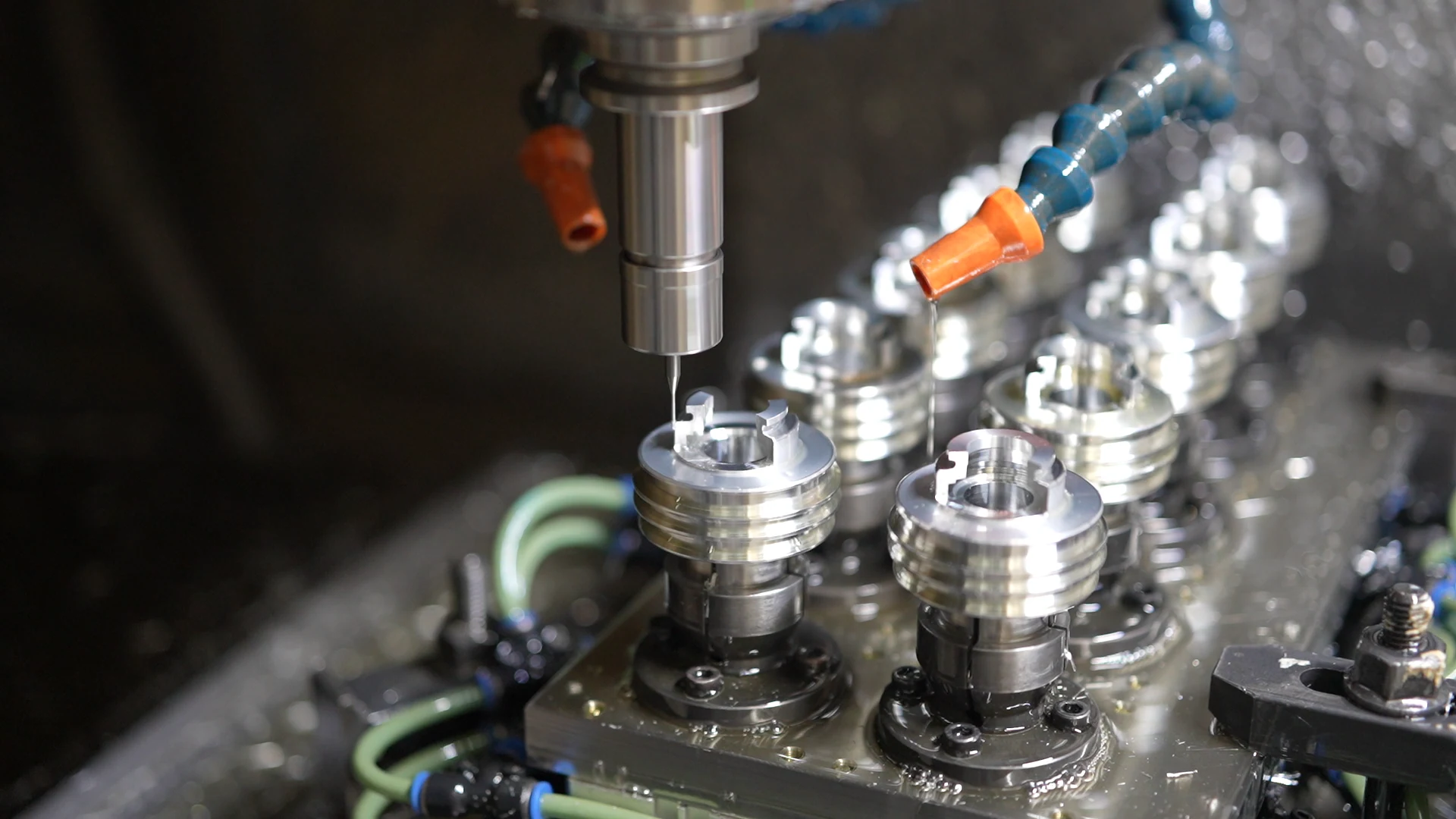
that make your part work.
THE GEOMETRY COMES FIRST
Start with the part.
We connect the process.
You do not need a finished process plan to start the conversation. Show us what the component must fit, support or connect.
 THE PROCESS / THE REQUIREMENT
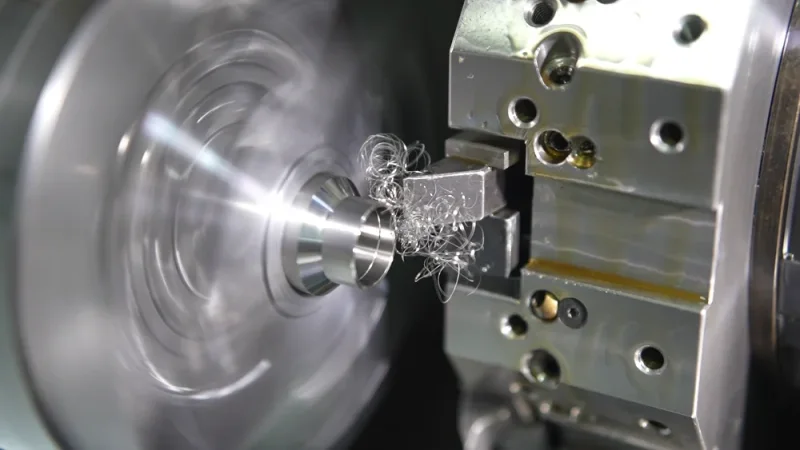
Start with the axis.
Shafts, sleeves, bushings and threaded bodies. Review outside diameters, bores, shoulders and the fits that connect the component to its assembly.
- Critical diameters and lengths
- Thread standard, pitch and class
- Datums, runout and surface finish
ONE DRAWING / MULTIPLE OPERATIONS
Turn the body.
Mill the detail.
Check the relationship.
Follow a component from its rotational features to its machined interfaces. Select a topic to see the requirements that connect the route.
ILLUSTRATIVE PROCESS STUDY / YOUR DRAWING DEFINES THE REQUIREMENTS
Establish the body and its reference.
Define the rotational diameters, bore, shoulders and functional lengths. Identify the datums that later operations and inspection must reference.
Review the turned featuresConnect every feature to the same component.
Show milled flats, pockets, mounting holes and cross features. Dimension their relationships to the functional datums, with tool access and final finish in mind.
Review the milled interfacesCheck the finished part, not isolated operations.
Specify which dimensions, form controls and surface requirements decide acceptance. Agree the measurement methods and the condition after finishing.
Plan your complete CNC partPROCESS CHOICES / FINISHED REQUIREMENTS
More than a machine list.
Match the whole geometry to a route, then confirm the features, material, setup and acceptance criteria for your part.
| Part requirement | Starting route | What to define | Explore |
|---|---|---|---|
| Rotational geometry | CNC turning | Diameters, bores, threads, lengths and datums | Turning |
| Pockets, faces and mounting | CNC milling | Tool access, radii, hole positions and reference faces | Milling |
| Small or slender turned features | Swiss-type machining | Complete profile, stock, support and critical details | Swiss machining |
| Controlled external diameters | Centerless grinding | Ground area, material condition, form and roughness | Grinding |
Machine travel and equipment accuracy are starting references. The agreed drawing and quotation define the accepted requirements for each component.
Specify the critical features.
Fit, form, surface and feature relationships each need clear requirements. Mark the dimensions that decide how the assembly works.
Quote the complete scope.
Include material, quantity, secondary operations and inspection. See the cost and schedule for the finished part you actually need.
Prepare for the next batch.
Keep the approved revision, finished condition and acceptance plan connected to the order, from first parts to repeat supply.
MATERIAL + CONDITION + SURFACE
The right material.
The right finished part.
Choose the grade for the job. Then define how the component must look, fit and perform after finishing.
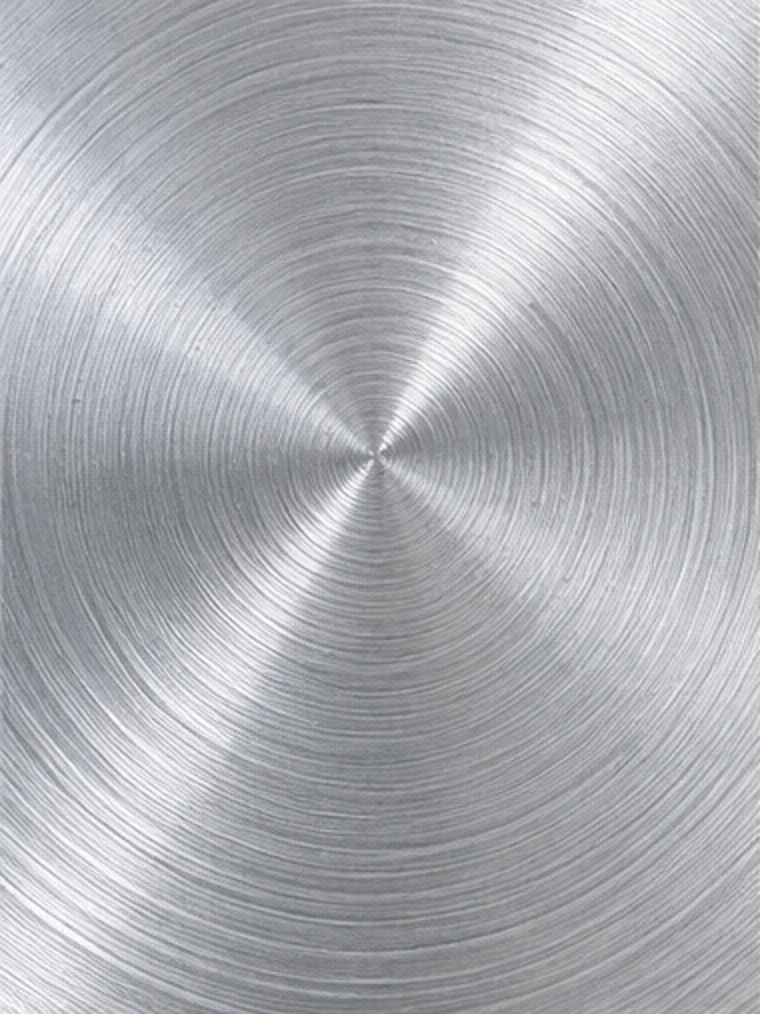
Aluminium
For lightweight housings, plates and brackets. Define temper, finish and critical interfaces.
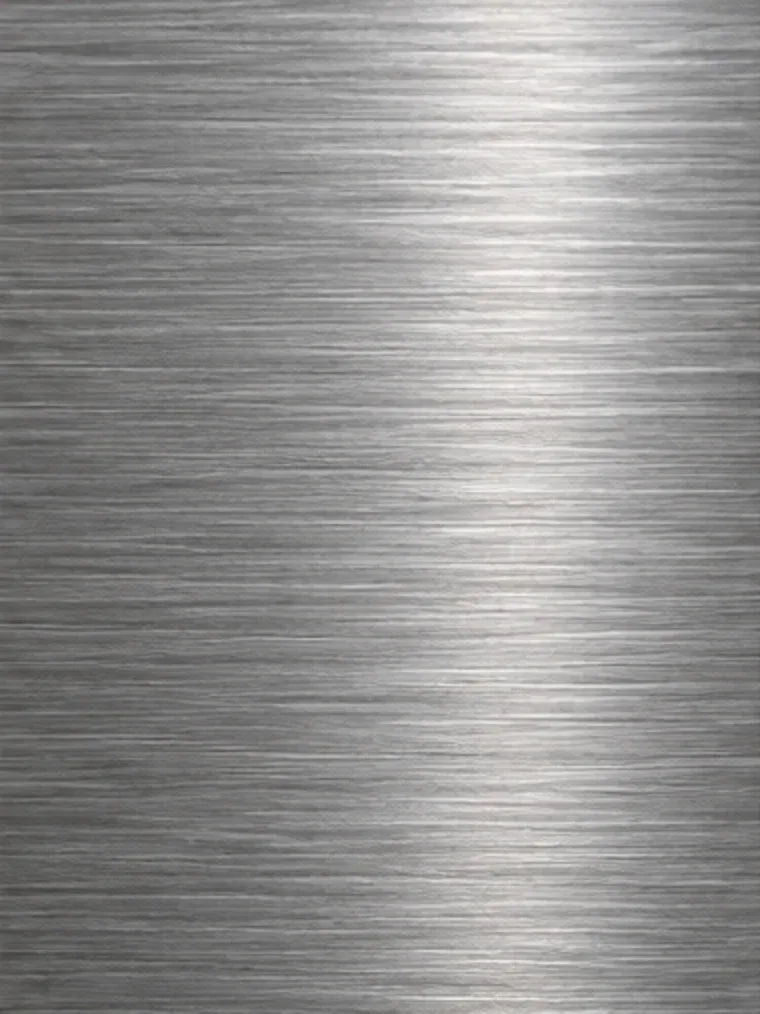
Stainless steel
For corrosion-resistant fittings and functional components. State grade, condition and surface treatment.
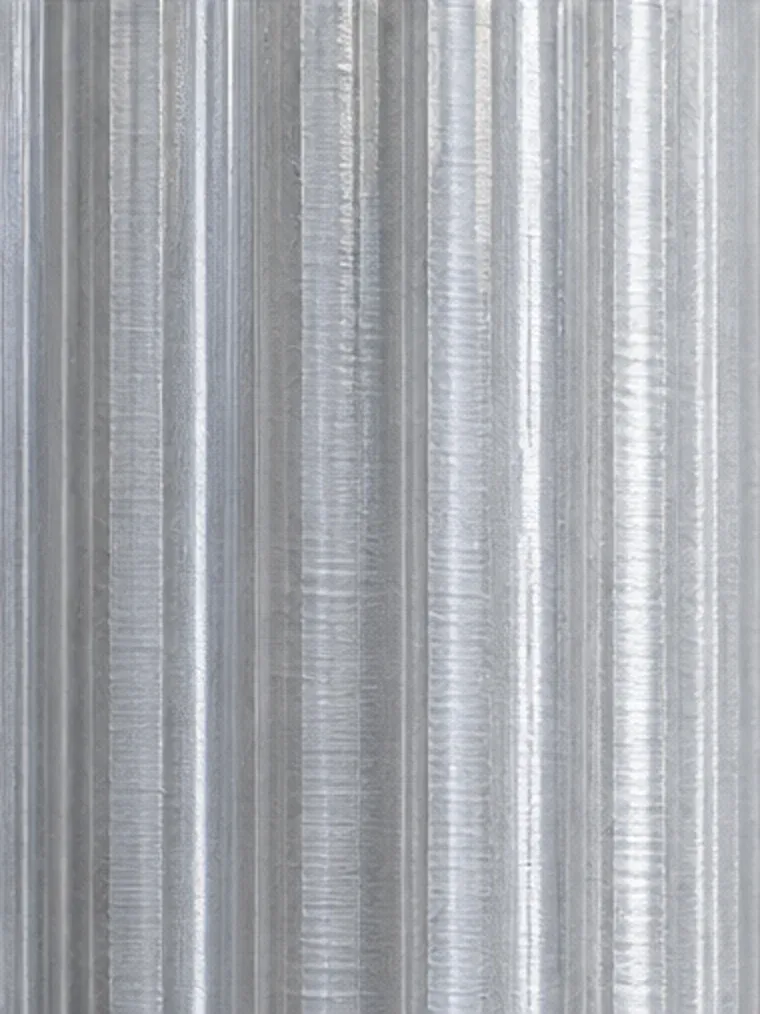
Steel
For shafts, sleeves and loaded interfaces. Include hardness and heat-treatment sequence.
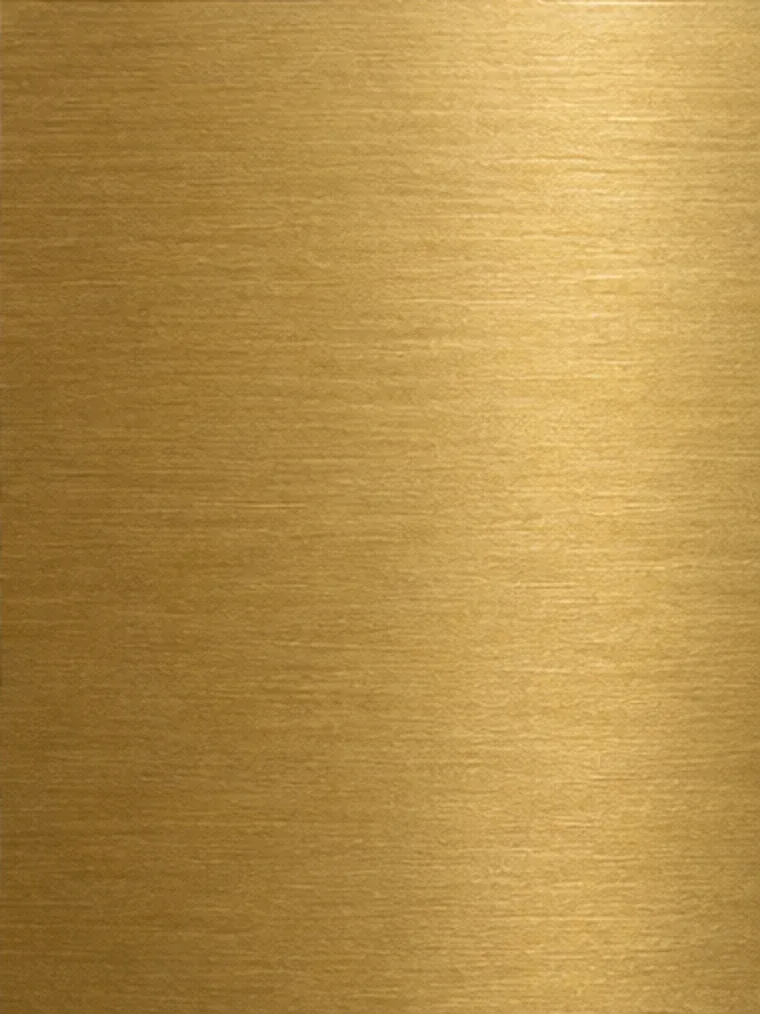
Brass & copper
For connectors and conductive components. State the alloy and the finished surface requirements.
Engineering plastic or another alloy? Share the exact grade, operating conditions and finish requirements for review.
Discuss your materialFINISH IS PART OF THE SPECIFICATION
Define the final surface.
- Anodizing
- Passivation
- Blasting & preparation
- Deburring & cleaning
Specify roughness, cosmetic faces, masking and coating thickness. Agree whether critical dimensions are checked before or after treatment.
Compare surface finishing optionsFROM THE FIRST PART TO THE NEXT ORDER
Start at your quantity.
Build from there.
A prototype, a small batch or a repeat order needs a clear scope. Tell us the quantity you need now and what may follow.
Explore low-MOQ CNC machining- 01
Prove the component
Review geometry, material and the interfaces that need to work on the first part.
- 02
Make a small batch
Align setup, finishing and inspection with the batch you need for assembly or evaluation.
- 03
Repeat with clarity
Reference the approved revision and define any changes in quantity, finish or acceptance.
MAKE ACCEPTANCE PART OF THE PLAN
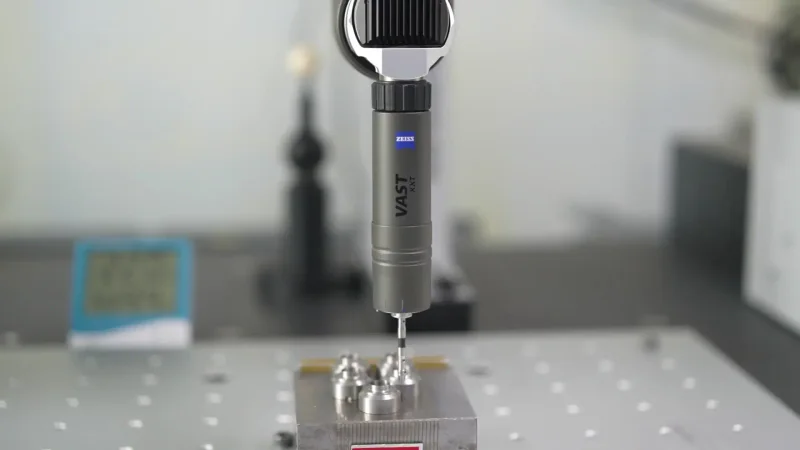
Precision needs
a way to prove it.
Identify the critical features before production. Agree how they will be checked and what evidence your team needs.
- Drawing revision and functional datums
- Dimensional, form and surface requirements
- First-article or batch checks as agreed
- Material and inspection documentation in the quoted scope
- Review agreed inspection before final payment
THE PEOPLE & PRODUCTION BEHIND YOUR PART
Look beyond the quotation.
Explore the real factory environment, then review the supplier documents and manufacturing scope relevant to your project.
Documents you can examine.
Open each certificate to review its holder, scope and validity.
Certificate holder: Dongguan XuXiang Precision Hardware Co., Ltd., within the WEKO manufacturing group. Review each document for its certified entity, scope and validity.
YOUR DESIGN / YOUR CONFIDENTIALITY REQUIREMENTS
Start the discussion.
Protect the detail.
Request an NDA before sharing sensitive files. Begin with a general description if your full drawing package is not ready.
YOUR NEXT CUSTOM CNC COMPONENT
Bring the part.
Let’s make a plan.
Start with what you know. We’ll clarify the manufacturing requirements and prepare the next useful step.
Request Your CNC QuoteCNC MACHINING / USEFUL ANSWERS
Clear before
the first cut.
What kinds of CNC-machined parts can WEKO make?+
WEKO reviews custom housings, covers, shafts, sleeves, bushings, brackets, plates, connectors and components with mixed turned and milled features. Examples help identify a starting route; your approved drawing defines the actual component.
Can I order one part or a small batch?+
Yes. Single-piece and low-MOQ CNC options are available alongside repeat production. The quote reflects the geometry, material, setup, finishing and inspection scope. Tooling-dependent forming and casting have separate economics.
Do I need to choose turning or milling before contacting you?+
No. Share the complete drawing or a clear description, material, quantity and timing. We review rotational and prismatic features together and discuss a suitable manufacturing route.
Which tolerances can you confirm?+
Identify each critical feature, datum and measurement requirement. Published machine figures provide equipment context; accepted part tolerances depend on geometry, material, workholding, finish and inspection. The quotation confirms the agreed requirements.
Which materials and finishes are available?+
Discuss aluminium, stainless steel, steel, brass, copper and engineering plastics by exact grade and condition. Anodizing, passivation, surface preparation, deburring and cleaning are reviewed for the selected material and application. Specify other treatments for review.
How fast can you make a CNC-machined part?+
Expedited options can be as fast as three business days for suitable projects. Geometry, stock availability, quantity, finishing and inspection determine the confirmed schedule in your quotation.
Can I request an NDA before sharing my design?+
Yes. Request an NDA before exchanging sensitive drawings or models. Tell the team your confidentiality requirements and agree the scope before file sharing.
What do I need for a useful quotation?+
Start with a drawing or description, material and quantity. Add the revision, model, critical fits, finish, timing and inspection requirements when available. If some details are undecided, say what is known so the next questions are useful.
How do inspection and repeat orders work?+
Agree critical features, measurement methods and documentation during quotation. Review the agreed inspection before final payment, then confirm packing and delivery. Repeat orders should reference the approved drawing revision and any changed requirements.